Diesel Generator Working Principle: A Practical Buyer’s Guide
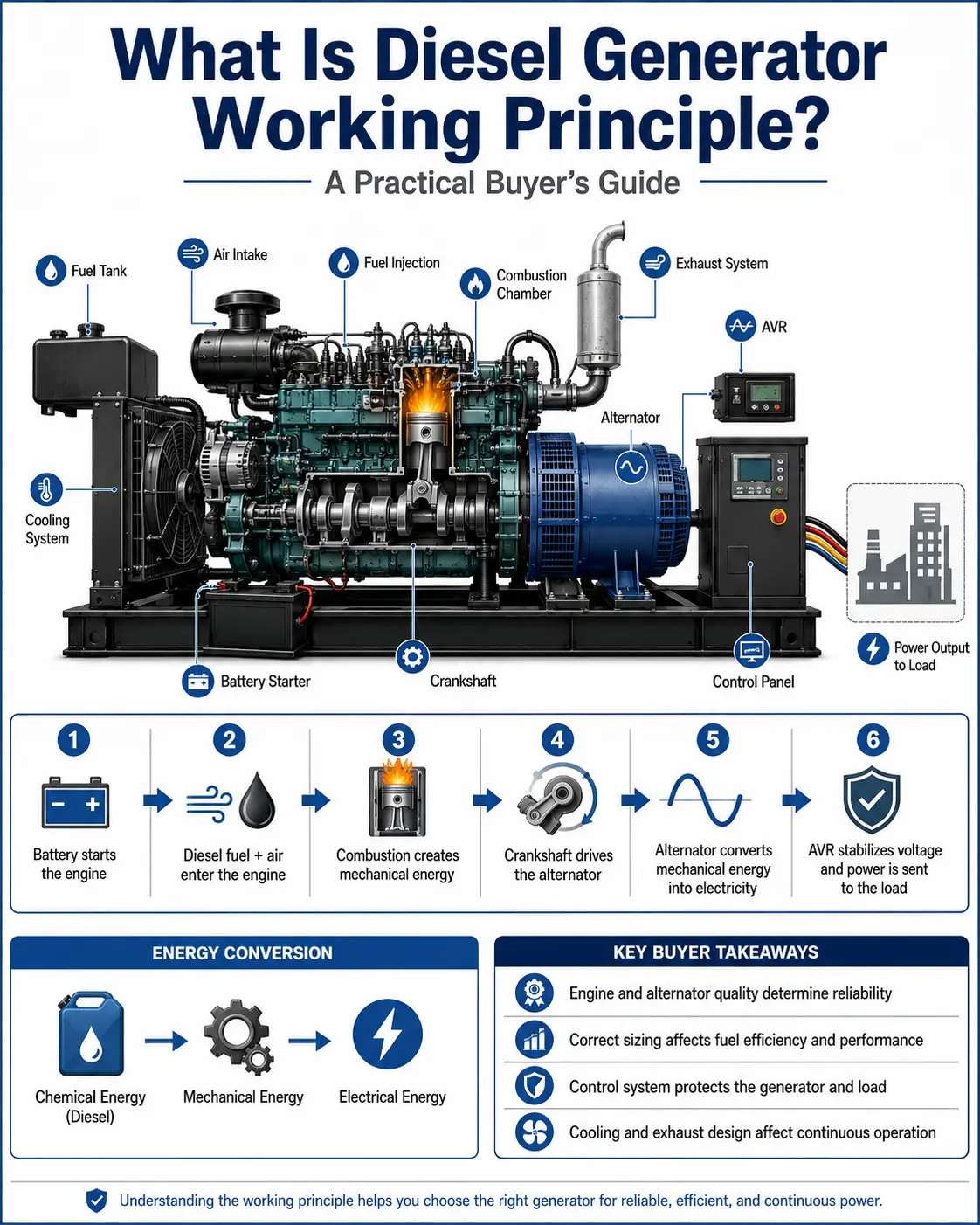
How Does a Diesel Generator Work?
The working process of a diesel generator can be divided into several basic stages.
Step 1: The Battery Starts the Engine
When the generator receives a start command, the battery supplies power to the starter motor. The starter motor rotates the diesel engine until the combustion process begins and the engine can run independently.
In standby generator applications, this process may be initiated automatically by an ATS or AMF control system when the main utility power fails.
Step 2: Diesel Fuel and Air Enter the Engine
Fresh air is drawn into the engine through the air intake system. At the same time, diesel fuel is supplied from the fuel tank and injected into the engine cylinders.
Inside the cylinder, the air is highly compressed. This raises the air temperature enough for the injected diesel fuel to ignite.
Step 3: Combustion Produces Mechanical Energy
The combustion of diesel fuel creates high pressure inside the cylinder.
This pressure pushes the piston downward. The movement of the pistons is transferred through the connecting rods to the crankshaft.
As a result, the chemical energy stored in diesel fuel is converted into mechanical rotational energy.
Step 4: The Crankshaft Drives the Alternator
The engine crankshaft is mechanically connected to the alternator.
As the engine runs, the crankshaft rotates the alternator rotor at a controlled speed, commonly around 1500 rpm for 50 Hz systems or 1800 rpm for 60 Hz systems, depending on the generator design.
Stable engine speed is important because it directly affects output frequency.
Step 5: The Alternator Generates Electricity
Inside the alternator, the rotating magnetic field interacts with the stator windings and produces electrical current through electromagnetic induction.
This is the point where mechanical energy is converted into usable electrical energy.
The alternator is therefore one of the most important components affecting voltage stability, efficiency, temperature rise, and overall generator reliability.
Step 6: AVR and Control System Stabilize the Output
The Automatic Voltage Regulator (AVR) helps maintain stable output voltage when the electrical load changes.
The generator controller continuously monitors operating parameters such as:
- Voltage
- Frequency
- Engine speed
- Oil pressure
- Coolant temperature
- Battery voltage
- Operating alarms
If an abnormal condition occurs, the control system can trigger an alarm or automatically shut down the generator to protect the equipment.
The generated electricity is then supplied through the circuit breaker to the connected load.
Energy Conversion in a Diesel Generator
The complete energy conversion process can be summarized as:
Diesel Fuel → Combustion → Mechanical Energy → Alternator → Electrical Energy
For buyers, the working principle may appear simple, but generator performance depends heavily on how well the major components are matched.
A high-quality generator should combine a properly sized diesel engine, reliable alternator, effective cooling system, stable control system, and suitable protection devices.
When selecting a generator set, buyers should therefore evaluate the complete system rather than focusing only on engine brand or rated kVA.
FAQ
What is the main function of a diesel generator?
The main function of a diesel generator is to convert the chemical energy in diesel fuel into electrical energy. It can be used as standby, prime, or continuous power depending on the application.
What is the difference between the engine and alternator?
The diesel engine produces mechanical power by burning fuel, while the alternator converts that mechanical power into electricity. Both components must be correctly matched for stable generator performance.
Does a diesel generator automatically start during a power failure?
It can. When equipped with an Automatic Transfer Switch (ATS) or AMF controller, a standby diesel generator can detect utility power failure, start automatically, and supply electricity to the load.
CTA
Need help selecting the right diesel generator for your project?
Send us your required power capacity, voltage, frequency, application, operating hours, and installation environment. Our team can recommend a suitable generator configuration based on your actual load requirements.
Send us your load list for generator recommendation and quotation.
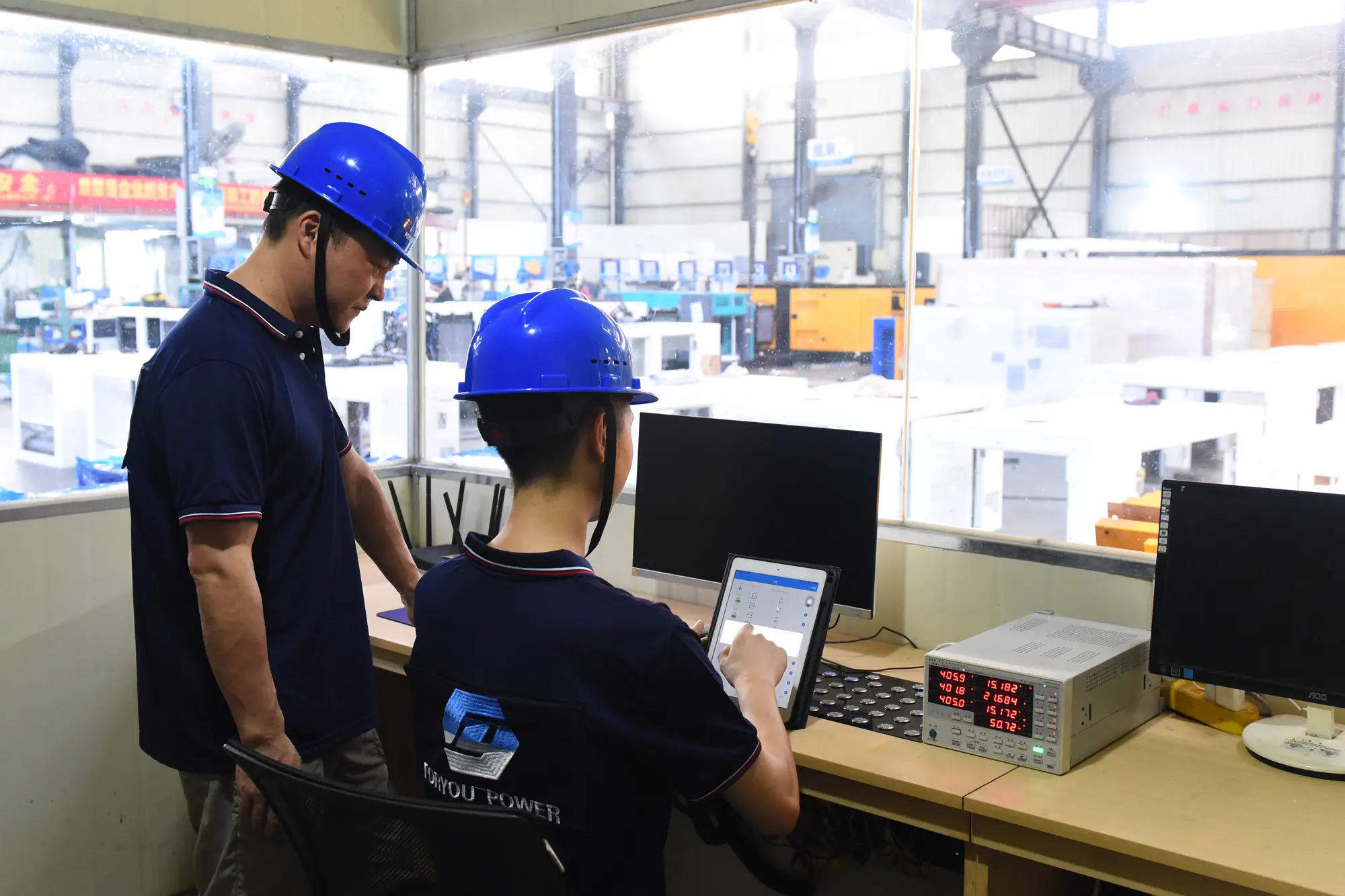
Inside Our Diesel Generator Factory: From Steel to Reliable Power
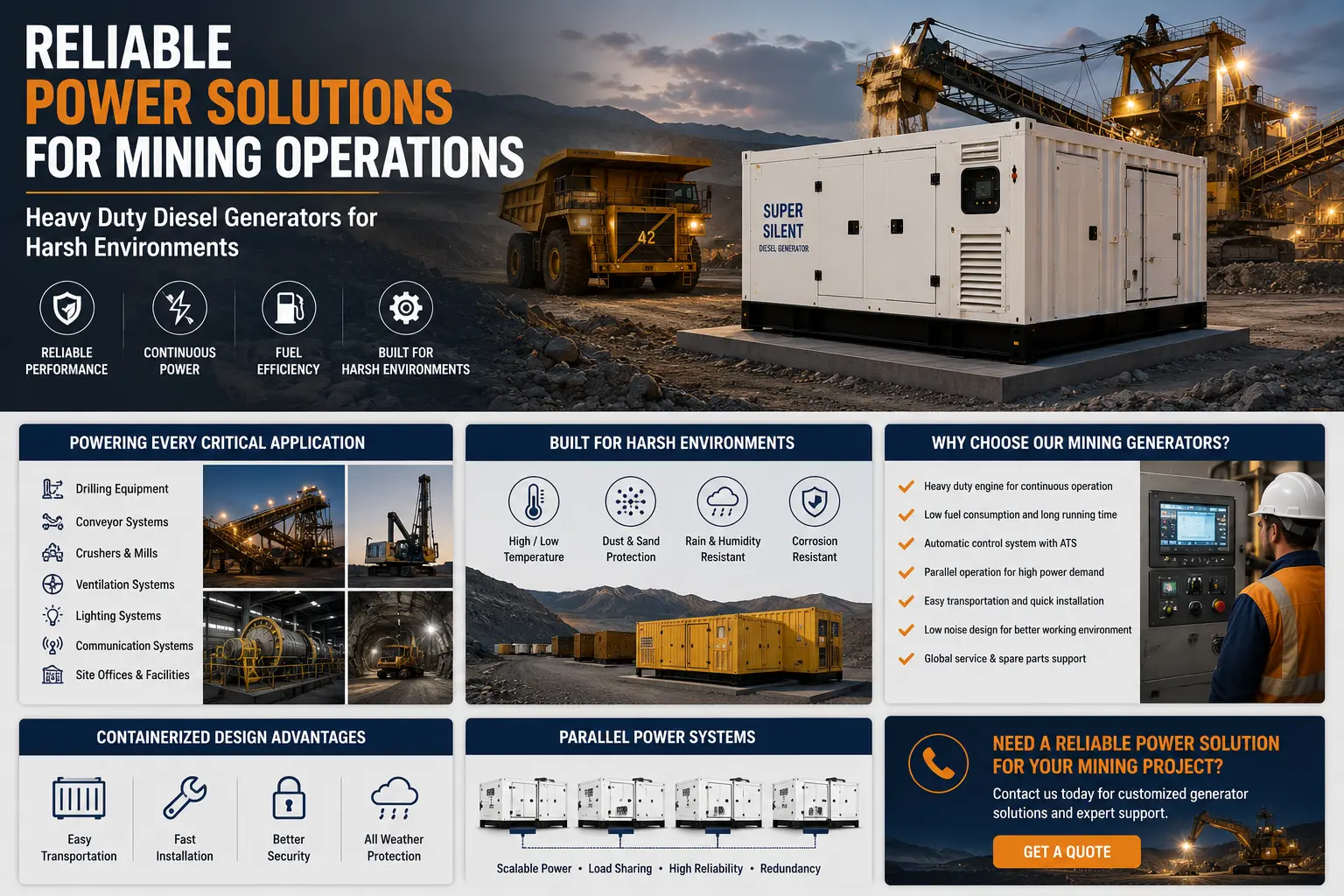
Reliable Power Solutions for Mining Operations