Water-Cooled vs Air-Cooled Diesel Generators: Which Is Better for Industrial Applications?
Choosing the right diesel generator is a critical decision for construction companies, factories, mining operations, hospitals, hotels, and commercial facilities. One of the most important factors to consider is the generator cooling system.
The two most common options are water-cooled diesel generators and air-cooled diesel generators. While both are designed to provide reliable power, they differ significantly in performance, operating capacity, maintenance requirements, and suitable applications.
Understanding these differences can help buyers select the most cost-effective and reliable power solution for their projects.
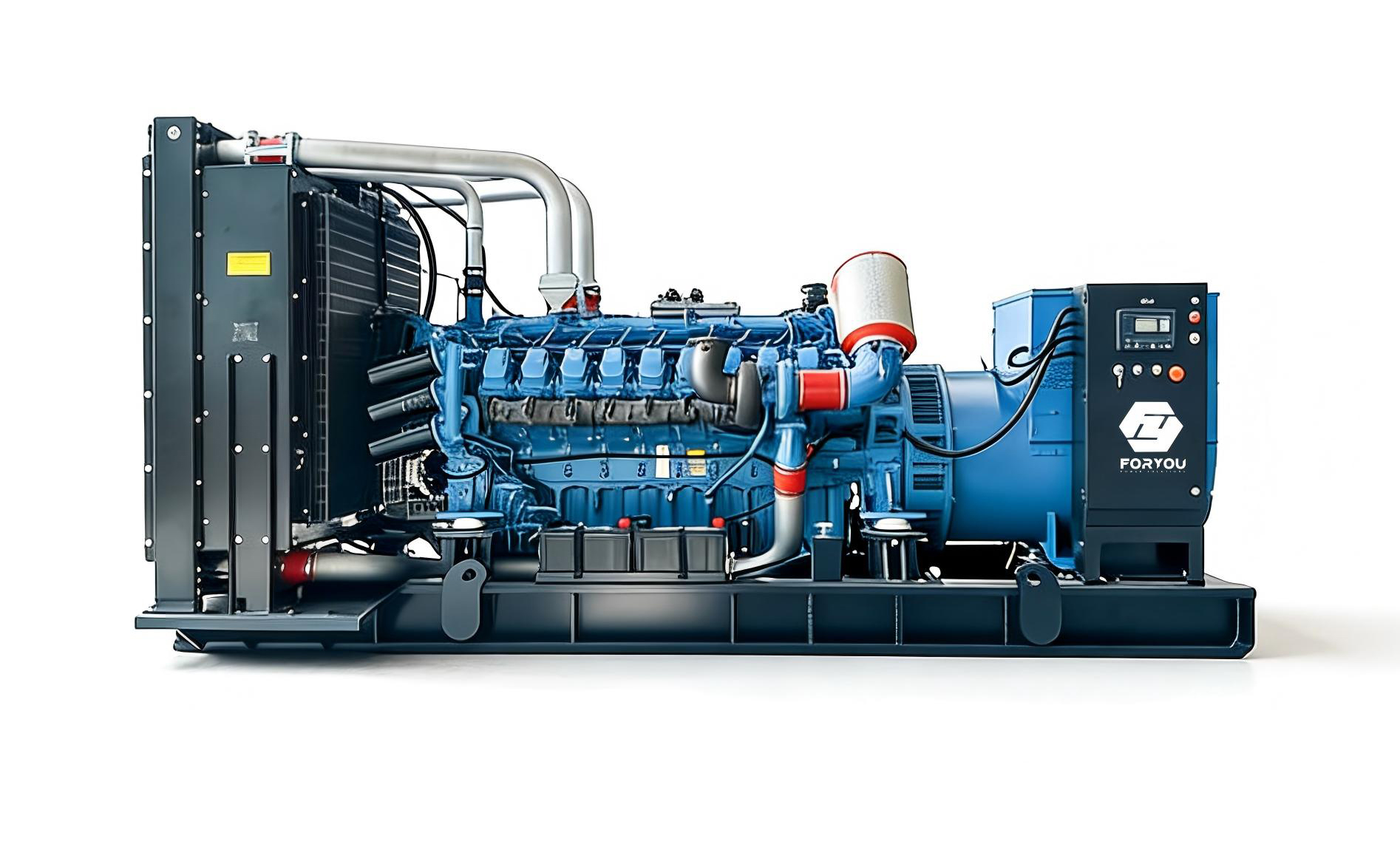
What Is a Water-Cooled Diesel Generator?
A water-cooled diesel generator uses coolant or water circulating through the engine to remove heat. The cooling liquid absorbs engine heat and transfers it to a radiator, where the heat is released into the air.
This system allows the generator to maintain stable operating temperatures even during long periods of continuous operation.
Water-cooled generators are commonly used in:
- Construction projects
- Manufacturing plants
- Hospitals
- Data centers
- Mining operations
- Oil & gas facilities
- Large commercial buildings
Because of their superior cooling capability, water-cooled generators are typically available in larger power ratings ranging from 100kVA to over 3000kVA.
What Is an Air-Cooled Diesel Generator?
An air-cooled diesel generator uses airflow to dissipate heat from the engine. Cooling fins and fans help move heat away from engine components during operation.
Air-cooled generators are generally simpler in design and require fewer cooling components.
They are commonly used in:
- Small businesses
- Farms
- Residential backup systems
- Workshops
- Small retail stores
Most air-cooled generators are available in smaller capacities and are designed for intermittent operation rather than continuous heavy-duty use.
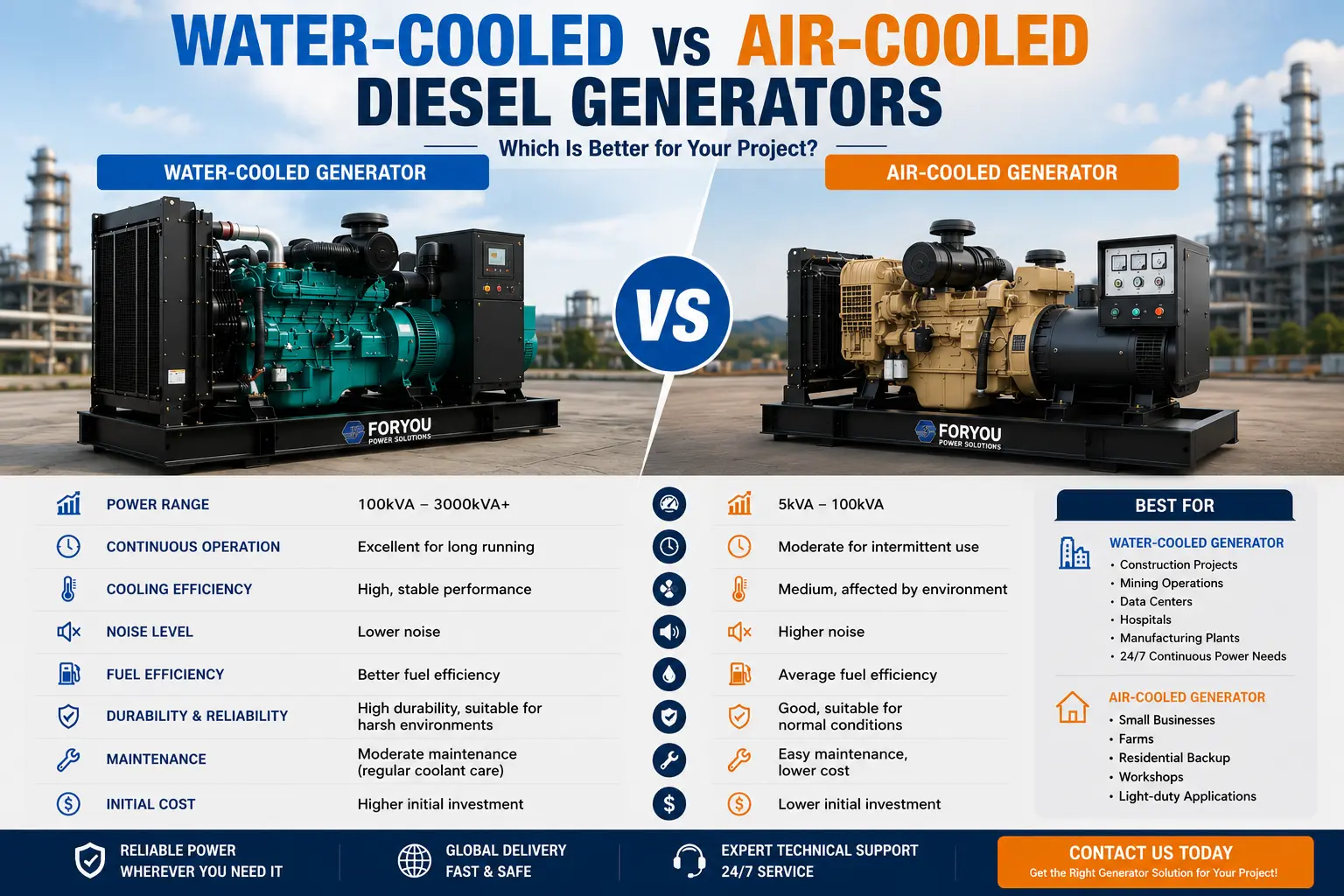
Water-Cooled vs Air-Cooled Generator Comparison
| Feature | Water-Cooled Generator | Air-Cooled Generator |
|---|---|---|
| Power Range | 100kVA – 3000kVA+ | 5kVA – 100kVA |
| Continuous Operation | Excellent | Moderate |
| Cooling Efficiency | High | Medium |
| Noise Level | Lower | Higher |
| Fuel Efficiency | Better | Average |
| Durability | Excellent | Good |
| Initial Cost | Higher | Lower |
| Maintenance | Moderate | Easy |
Which Generator Performs Better Under Heavy Loads?
For industrial applications, water-cooled diesel generators offer clear advantages.
Because the cooling system continuously regulates engine temperature, water-cooled generators can operate for extended periods without overheating. This makes them ideal for projects requiring 24/7 power supply.
Examples include:
- Mining sites
- Construction projects
- Data centers
- Hospitals
- Manufacturing facilities
Air-cooled generators may perform well for light-duty applications but can struggle under heavy continuous loads, particularly in hot climates.
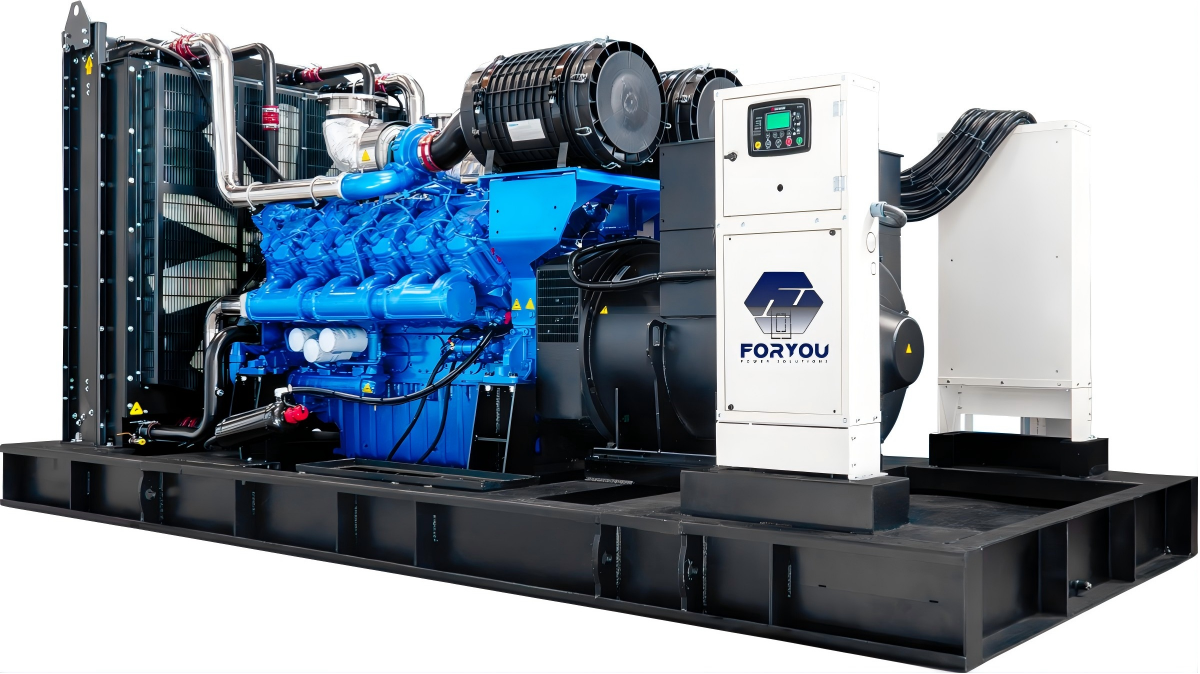
Best Generator Type for Different Industries
Construction Projects
Recommended: Water-Cooled Generator
Construction sites often require continuous power for cranes, welders, concrete mixers, lighting towers, and site offices.
Water-cooled generators provide the reliability needed for demanding construction environments.
Mining Operations
Recommended: Water-Cooled Generator
Mining projects typically operate in remote locations and require uninterrupted power. Water-cooled generators offer superior durability and performance in harsh environments.
Hospitals
Recommended: Water-Cooled Generator
Hospitals depend on stable backup power for life-support equipment, operating rooms, and emergency systems. Reliability is critical.
Data Centers
Recommended: Water-Cooled Generator
Data centers require continuous operation and stable power output. Most large backup systems use water-cooled diesel generators with parallel synchronization systems.
Farms and Small Businesses
Recommended: Air-Cooled Generator
For lighter applications with lower power demands, air-cooled generators provide a cost-effective solution.
Cost Considerations
Air-cooled generators generally have a lower initial purchase price and simpler maintenance requirements.
However, for industrial users, the lower operating efficiency and limited continuous-duty capability may result in higher long-term costs.
Water-cooled generators require a higher initial investment but typically provide:
- Longer service life
- Better fuel efficiency
- Lower downtime
- Improved reliability
For commercial and industrial projects, these benefits often outweigh the additional upfront cost.
Which Generator Should You Choose?
Choose an Air-Cooled Generator if:
- Power demand is below 100kVA
- Usage is occasional
- Budget is limited
- Space is restricted
Choose a Water-Cooled Generator if:
- Power demand exceeds 100kVA
- Continuous operation is required
- The application is industrial or commercial
- Reliability is a top priority
- The project is located in harsh environments
Conclusion
Both water-cooled and air-cooled diesel generators have their advantages. The best choice depends on your power requirements, operating conditions, and long-term business goals.
For industrial applications such as construction, mining, healthcare, manufacturing, and data centers, water-cooled diesel generators are generally the preferred solution due to their superior performance, durability, and reliability.
For smaller commercial or residential applications, air-cooled generators can provide a practical and economical alternative.
Need Help Choosing the Right Generator?
Our engineering team can recommend the most suitable generator solution based on:
✔ Power Requirements
✔ Industry Application
✔ Climate Conditions
✔ Installation Environment
✔ Budget Expectations
Contact us today to receive a customized diesel generator recommendation and quotation.
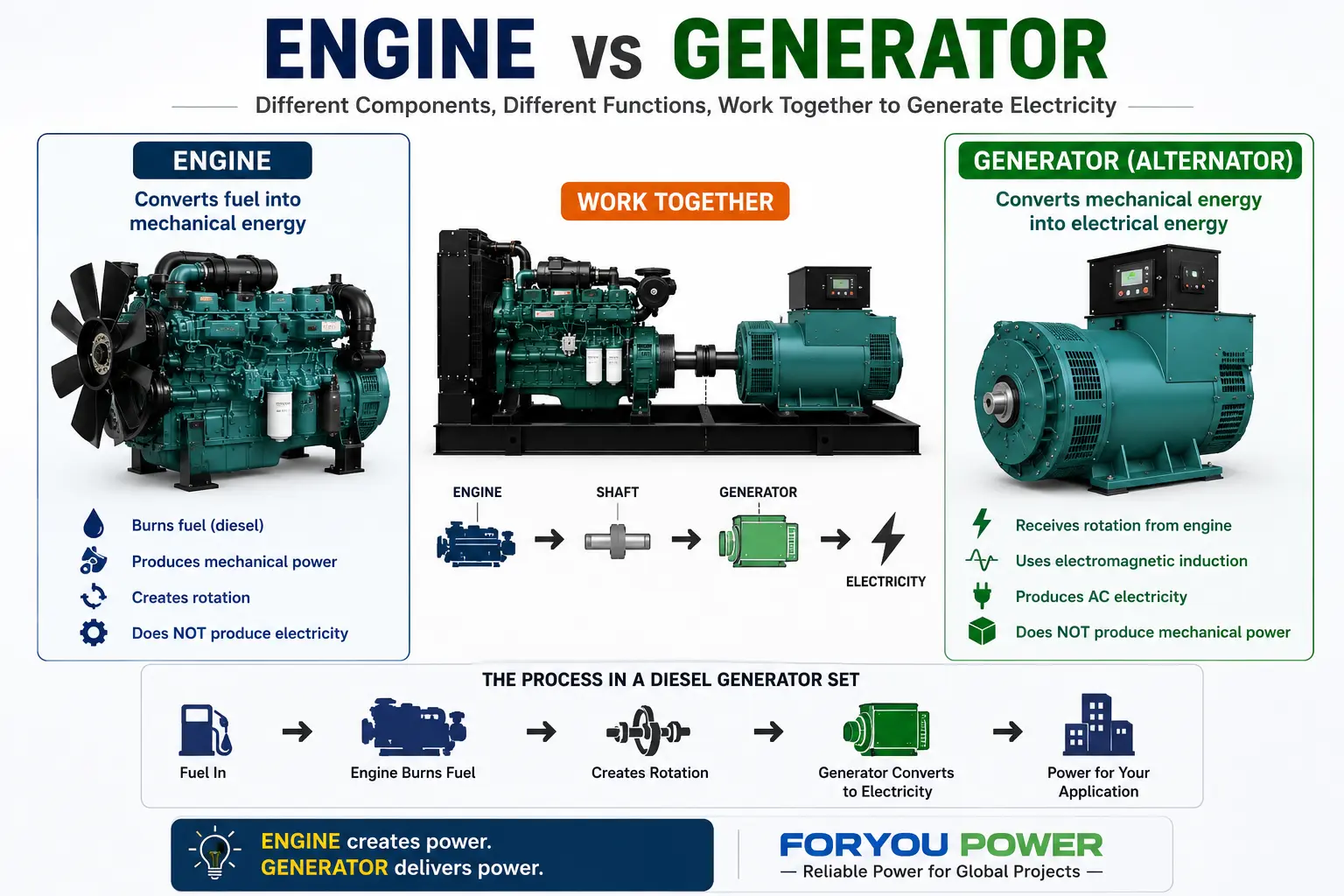
What is the difference between an electric generator and an engine?
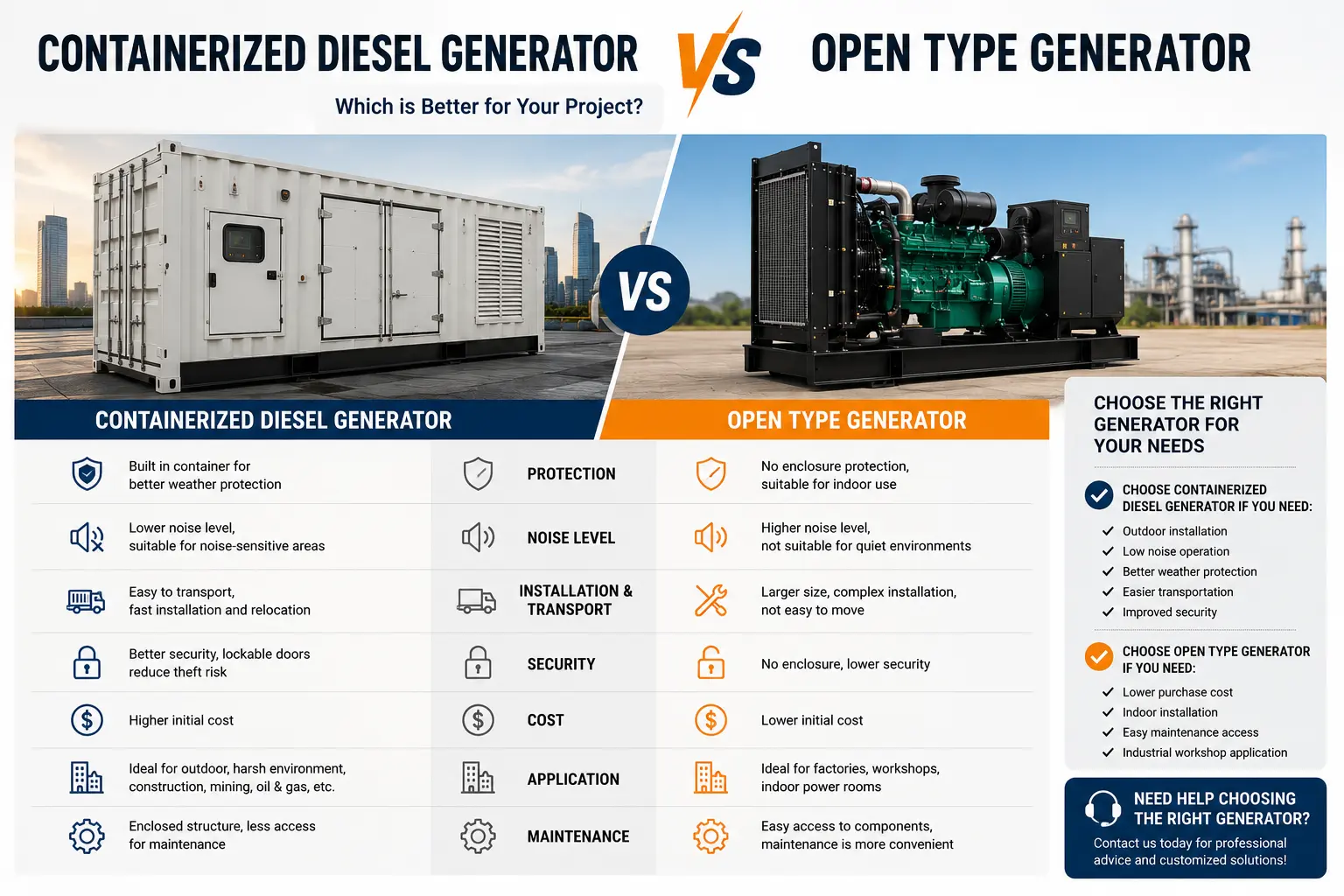
Containerized Diesel Generator vs Open Type Generator: Which is Better for Your Project?