Standby Generator: Your Essential Backup Power Solution
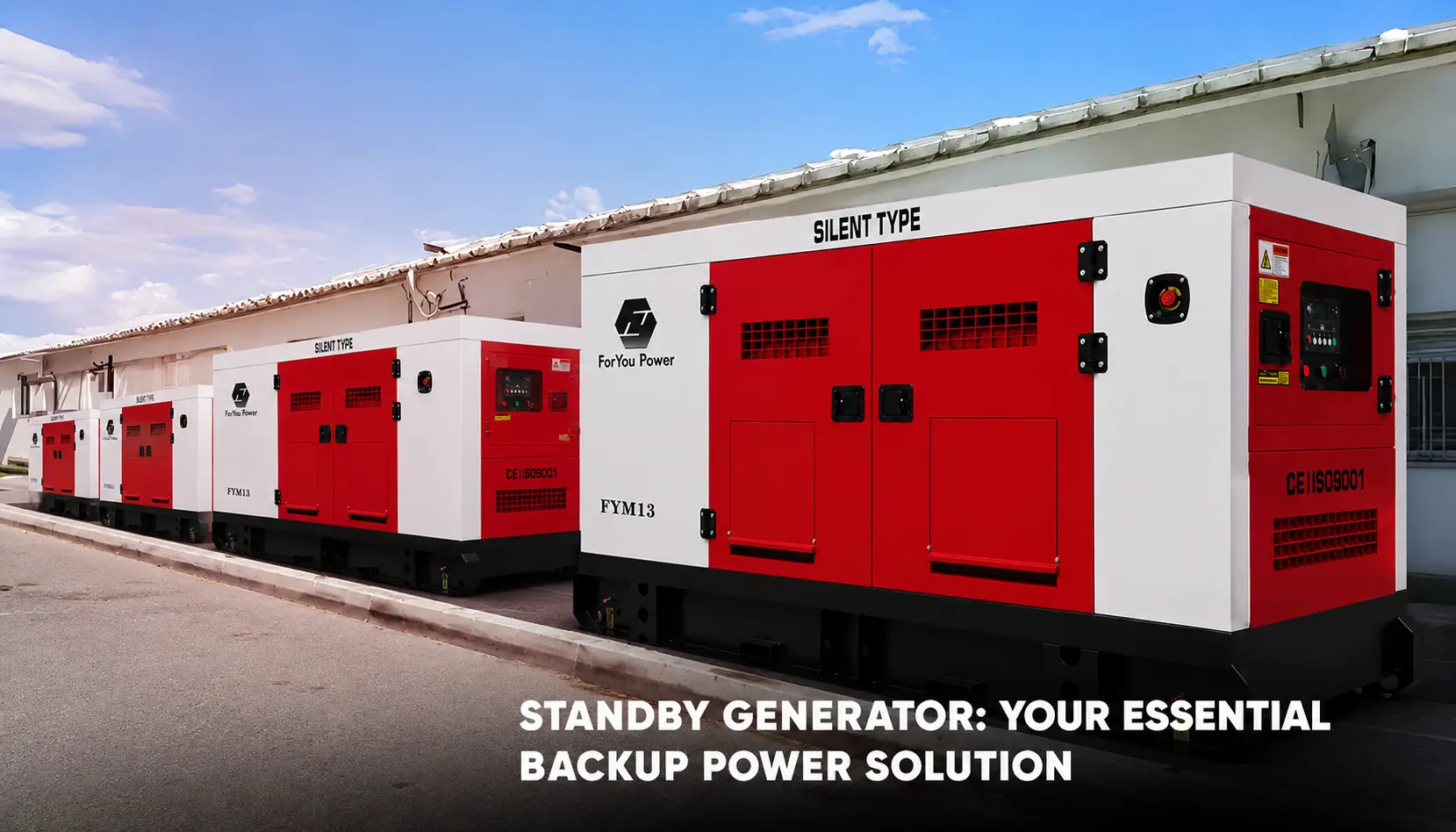
In today's world, reliable electricity is no longer a luxury—it's a necessity.
Whether you operate a manufacturing facility, manage a commercial building, run a hospital, or simply want to protect your home from unexpected outages, a standby generator provides peace of mind by ensuring uninterrupted power whenever the utility grid fails.
Unlike portable generators that require manual setup, standby generators automatically detect power outages and start within seconds, keeping critical systems running without interruption.
In this guide, we'll explain what a standby generator is, its benefits, common applications, and how to choose the right standby generator for your needs.
What Is a Standby Generator?
A standby generator is a permanently installed backup power system designed to automatically supply electricity during utility power failures.
The system typically consists of:
-
Diesel or gas engine
-
Alternator
-
Control panel
-
Automatic Transfer Switch (ATS)
-
Fuel system
When a power outage occurs, the ATS detects the interruption and automatically starts the generator.
Within seconds, the generator supplies electricity to the building until normal utility power is restored.
Unlike portable generators, standby generators require no manual intervention and provide a seamless transition during emergencies.
Why Is a Standby Generator Important?
Power outages can happen at any time due to:
-
Severe weather
-
Grid failures
-
Natural disasters
-
Equipment breakdowns
-
Infrastructure maintenance
Without backup power, businesses can face significant operational and financial losses.
A standby generator helps ensure:
Continuous Business Operations
Keep production lines, offices, data centers, and commercial facilities operating during outages.
Protection of Critical Equipment
Prevent damage to sensitive electrical systems and electronic equipment.
Improved Safety and Security
Maintain lighting, surveillance systems, fire protection systems, and emergency equipment.
Reduced Downtime
Avoid costly interruptions and maintain productivity during unexpected power failures.
Peace of Mind
Ensure your facility remains operational regardless of utility power conditions.
Why Choose a Diesel Standby Generator?
Among all backup power solutions, diesel standby generators remain one of the most popular choices worldwide.
Superior Fuel Efficiency
Diesel engines consume less fuel under heavy loads compared to gasoline-powered alternatives.
This translates into lower operating costs over the life of the generator.
Longer Service Life
Industrial diesel engines are engineered for continuous operation and can provide thousands of hours of reliable service.
Excellent Reliability
Diesel generators are known for their ability to start quickly and perform reliably under demanding conditions.
Lower Maintenance Requirements
Diesel engines have fewer ignition components than gasoline engines, reducing maintenance complexity and cost.
High Load Capacity
Diesel standby generators handle large electrical loads effectively, making them ideal for industrial and commercial applications.
Common Applications of Standby Generators
Standby generators are widely used across multiple industries.
Hospitals and Healthcare Facilities
Reliable backup power is critical for:
-
Life-support systems
-
Operating rooms
-
Medical equipment
-
Emergency lighting
Even a brief outage can have serious consequences.
Commercial Buildings
Office buildings, shopping centers, and hotels rely on standby generators to maintain:
-
Elevators
-
Security systems
-
HVAC systems
-
Lighting
-
IT infrastructure
Industrial Facilities
Manufacturing plants use standby generators to prevent:
-
Production downtime
-
Equipment damage
-
Inventory losses
-
Revenue interruptions
Data Centers
Data centers require uninterrupted power to protect servers, networks, and customer data.
Standby generators provide critical backup support when utility power fails.
Construction Sites
Construction projects often rely on standby generators to maintain operations and keep projects on schedule.
Backup power supports:
-
Tower cranes
-
Concrete equipment
-
Site lighting
-
Temporary offices
-
Security systems
Residential Properties
Homeowners use standby generators to maintain:
-
Refrigeration
-
Air conditioning
-
Heating systems
-
Water pumps
-
Security systems
during power outages.
Standby Generator vs Continuous Generator
Many buyers confuse standby generators with continuous power generators.
Understanding the difference is important.
| Standby Generator | Continuous Generator |
|---|---|
| Operates only during power outages | Operates as the primary power source |
| Designed for emergency backup | Designed for continuous operation |
| Lower annual running hours | High annual running hours |
| Used with utility power | Used where utility power is unavailable |
| Common in buildings and facilities | Common in remote sites and mining projects |
Simply put:
A standby generator is your backup plan.
A continuous generator is your primary source of electricity.
How to Choose the Best Standby Generator
Selecting the right standby generator requires careful planning.
Determine Your Power Requirements
Calculate the total electrical load you need to support during an outage.
This includes:
-
Lighting
-
Air conditioning
-
Machinery
-
Computers
-
Pumps
-
Security systems
Select the Appropriate Fuel Type
Common fuel options include:
-
Diesel
-
Natural Gas
-
Propane
For industrial and commercial applications, diesel remains the preferred choice due to its efficiency and reliability.
Choose an Automatic Transfer Switch
An ATS ensures automatic startup and seamless power transfer during outages.
This feature is essential for critical facilities.
Consider Noise Requirements
Silent diesel generators are ideal for:
-
Residential areas
-
Hospitals
-
Commercial buildings
-
Urban environments
Evaluate Service and Support
Choose a manufacturer that provides:
-
Technical support
-
Spare parts availability
-
Warranty coverage
-
Global service assistance
Why Choose FORYOU POWER?
FORYOU POWER is a professional diesel generator manufacturer and exporter based in China.
We provide reliable standby power solutions ranging from 20kVA to 2500kVA for customers worldwide.
Our standby generators are powered by world-class engines including:
-
Cummins
-
Perkins
-
Baudouin
-
MTU
-
Weichai
Available configurations include:
-
Open Type Generators
-
Silent Generators
-
Trailer Mounted Units
-
Containerized Power Stations
-
ATS Equipped Backup Systems
Every generator undergoes comprehensive factory testing to ensure dependable performance when you need it most.
Frequently Asked Questions
How Does a Standby Generator Work?
A standby generator automatically starts when utility power fails and supplies electricity through an Automatic Transfer Switch until normal power is restored.
How Long Can a Diesel Standby Generator Run?
Depending on fuel tank capacity and load level, diesel standby generators can operate continuously for many hours or even days with proper refueling.
Is a Standby Generator Worth the Investment?
Yes.
For businesses, hospitals, industrial facilities, and homeowners who depend on reliable power, a standby generator protects against downtime, financial loss, and operational disruption.
Conclusion
A standby generator is one of the most effective ways to protect your home, business, or facility from unexpected power outages.
Whether you require backup power for a commercial building, industrial operation, healthcare facility, or residential property, choosing the right diesel standby generator ensures reliability, safety, and peace of mind.
At FORYOU POWER, we manufacture dependable standby generator solutions designed to keep your operations running whenever the grid goes down.
Get a Free Standby Generator Consultation
📧 info@foryougen.com
FORYOU POWER – Reliable Power for Global Projects.
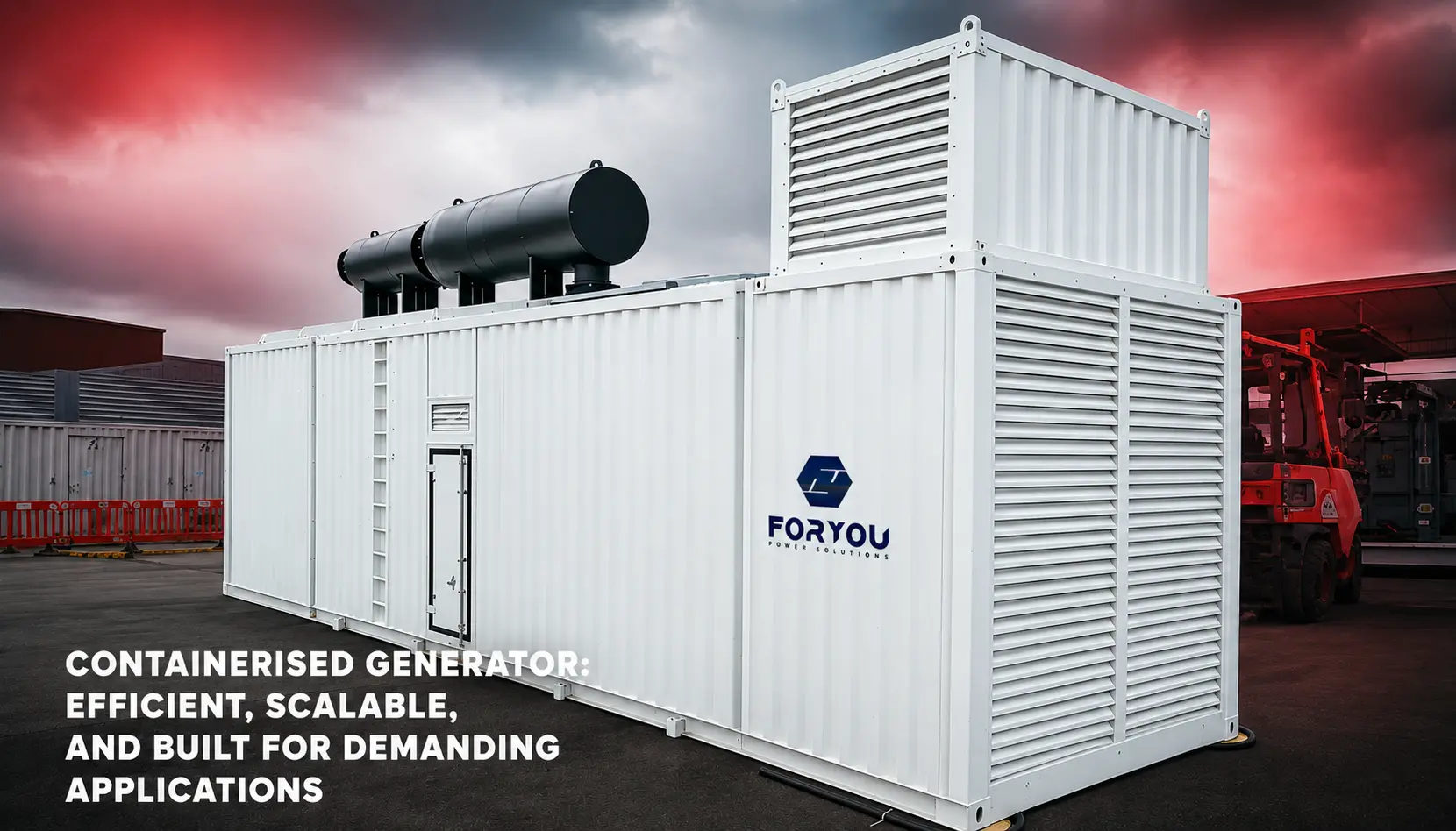
Containerised Generator: Efficient, Scalable, and Built for Demanding Applications
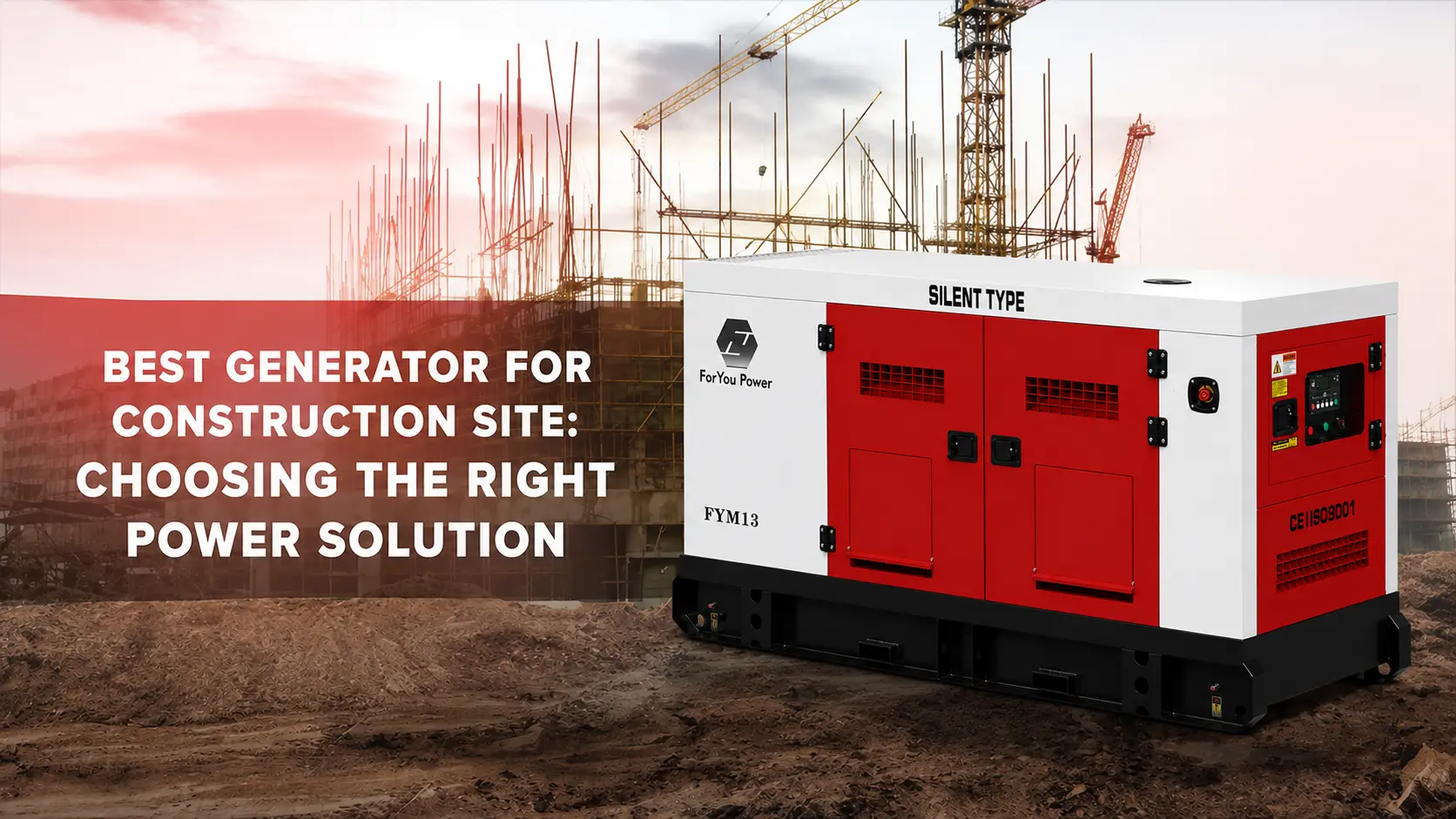
Best Generator for Construction Site: Choosing the Right Power Solution