On-Site Natural Gas Generators in 2026: Why Data Centers and Industries Are Investing in Independent Power
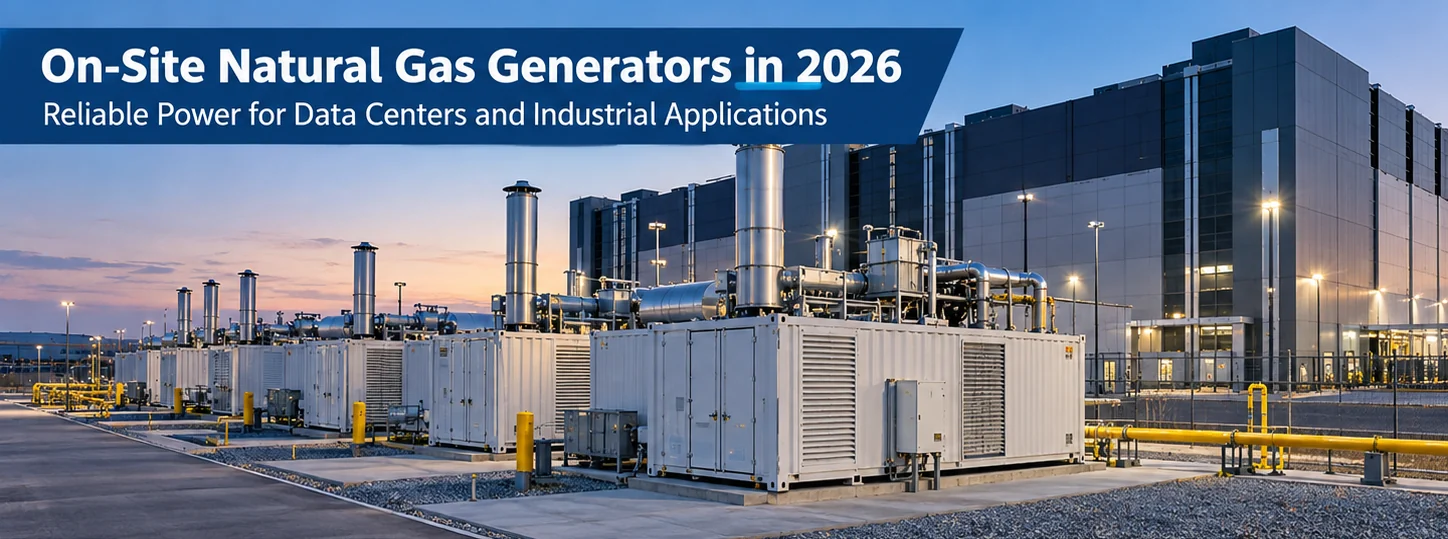
On-Site Natural Gas Generators in 2026: Why Data Centers and Industries Are Investing in Independent Power
Published: October 24, 2026 | FORYOU POWER Industry Insights
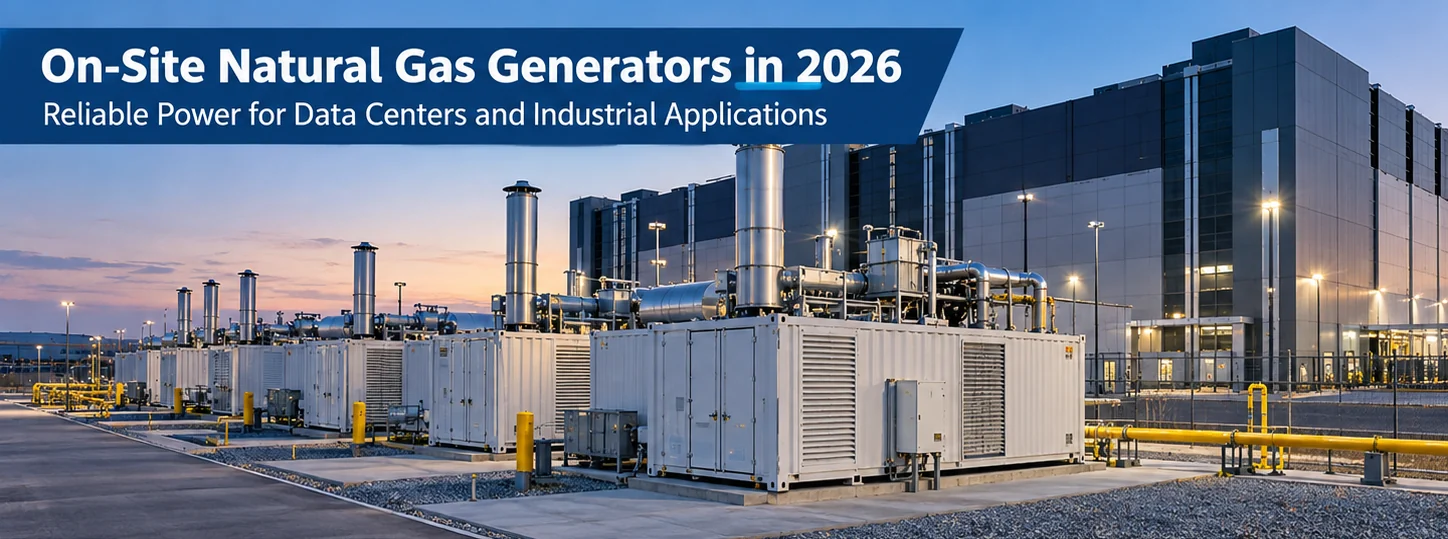
The global power generation industry is experiencing a significant shift in 2026. As artificial intelligence, data centers, and industrial infrastructure expand, reliable electricity is becoming an increasingly important factor in project development.
One of the emerging trends is the growing interest in on-site natural gas generators and independent power generation systems.
Recent projects announced by Enerflex, Wärtsilä, and major energy infrastructure companies indicate that natural gas power generation is attracting substantial investment.
But what is driving this demand, and what should industrial buyers consider before investing in natural gas generator sets?
1. Enerflex Secures Over 1 GW Natural Gas Power Order for Data Centers
On October 13, 2026, Enerflex announced a major contract to design, engineer, fabricate, and assemble more than 1 gigawatt (GW) of natural gas-fired power generation equipment for a large-scale North American data center development.
According to the company's announcement, its backlog of behind-the-meter natural gas power generation projects has now exceeded 1.75 GW, with deliveries scheduled to extend through 2028.
This follows another approximately 450 MW data center power project announced on October 1, 2026.
These orders represent an important development in the market for industrial gas-fired generation.
Why Are Data Centers Investing in Independent Power?
Traditional data centers generally depend on utility electricity, supported by UPS systems and emergency backup generators.
However, rapid AI infrastructure expansion is creating new challenges:
-
Electricity grid connection delays
-
Growing power capacity requirements
-
Pressure to accelerate construction schedules
-
Demand for reliable electricity supply
-
Increasing interest in flexible power infrastructure
Instead of relying exclusively on utility connections, some operators are developing independent or behind-the-meter power generation facilities.
Natural gas generators can play an important role in these systems, particularly when continuous fuel supplies and suitable operating conditions are available.
Industry insight: The market is expanding beyond conventional emergency generators toward engineered power systems that can support extended operating periods.
Source: Enerflex Official Announcement — October 13, 2026
2. Brazil Invests in 371 MW of Flexible Natural Gas Power
The expansion of natural gas power generation is not limited to North America.
On October 19, 2026, Wärtsilä announced an expanded engineering and construction role in seven power plant projects for Brazilian energy company Origem Energia.
The projects represent a combined 371 MW of flexible generation capacity and will utilize 36 Wärtsilä 34SG gas engines.
The facilities are designed to support electricity grid reliability and provide balancing capacity as renewable power generation increases.
Commercial operations are scheduled to begin in phases during 2028 and 2029.
Why Flexible Gas Power Matters
Solar and wind generation can fluctuate according to weather conditions.
Flexible power generation technologies can help electricity systems respond to variations between supply and demand.
Natural gas engine power plants can offer:
-
Modular capacity expansion
-
Dispatchable electricity generation
-
Multiple-generator operation
-
Load management flexibility
-
Potential integration with renewable energy systems
The appropriate solution depends on grid requirements, emissions limits, operating profiles, and fuel availability.
Source: Wärtsilä Official Announcement — October 19, 2026
3. Natural Gas Infrastructure Investment Is Accelerating
The development of independent power generation requires more than generator equipment.
Fuel infrastructure is equally important.
On October 21, 2026, Kinder Morgan announced investment plans totaling approximately $4.7 billion for its shares of two major natural gas pipeline projects in the United States.
The investment reflects increasing demand from electricity generation, data centers, and LNG infrastructure.
For industrial customers considering on-site gas generation, these developments highlight a fundamental requirement: a generator system is only as dependable as its fuel supply.
Before installing natural gas generators, developers should carefully evaluate:
-
Gas supply capacity and continuity
-
Pipeline pressure requirements
-
Gas composition and heating value
-
Fuel treatment and filtration
-
Backup fuel strategies where applicable
-
Local gas infrastructure and regulations
A reliable natural gas power project starts with a comprehensive evaluation of the available fuel supply.
Source: Reuters — Kinder Morgan Gas Infrastructure Investment, October 21, 2026
4. What Are On-Site Natural Gas Generators?
On-site natural gas generators are electricity generation systems installed at or near the facility they serve.
Unlike traditional utility-supplied electricity, these systems allow operators to generate power directly at their premises.
Depending on the installation, they may provide prime power, continuous power, peak-load support, or standby power.
Common Applications
Data Centers
Independent natural gas generation can support facilities where utility capacity is limited or grid interconnection is delayed.
Oil and Gas Operations
Remote oilfields, gas processing plants, and pumping stations may require reliable electricity for continuous industrial operations.
Mining Projects
Mining facilities located far from electrical grids often depend on dedicated power generation systems.
Manufacturing Facilities
Industrial plants may use natural gas generators to support operational continuity and manage electricity supply requirements.
Commercial and Infrastructure Projects
Large facilities can evaluate gas generator systems where fuel access, operating hours, and project economics justify the investment.
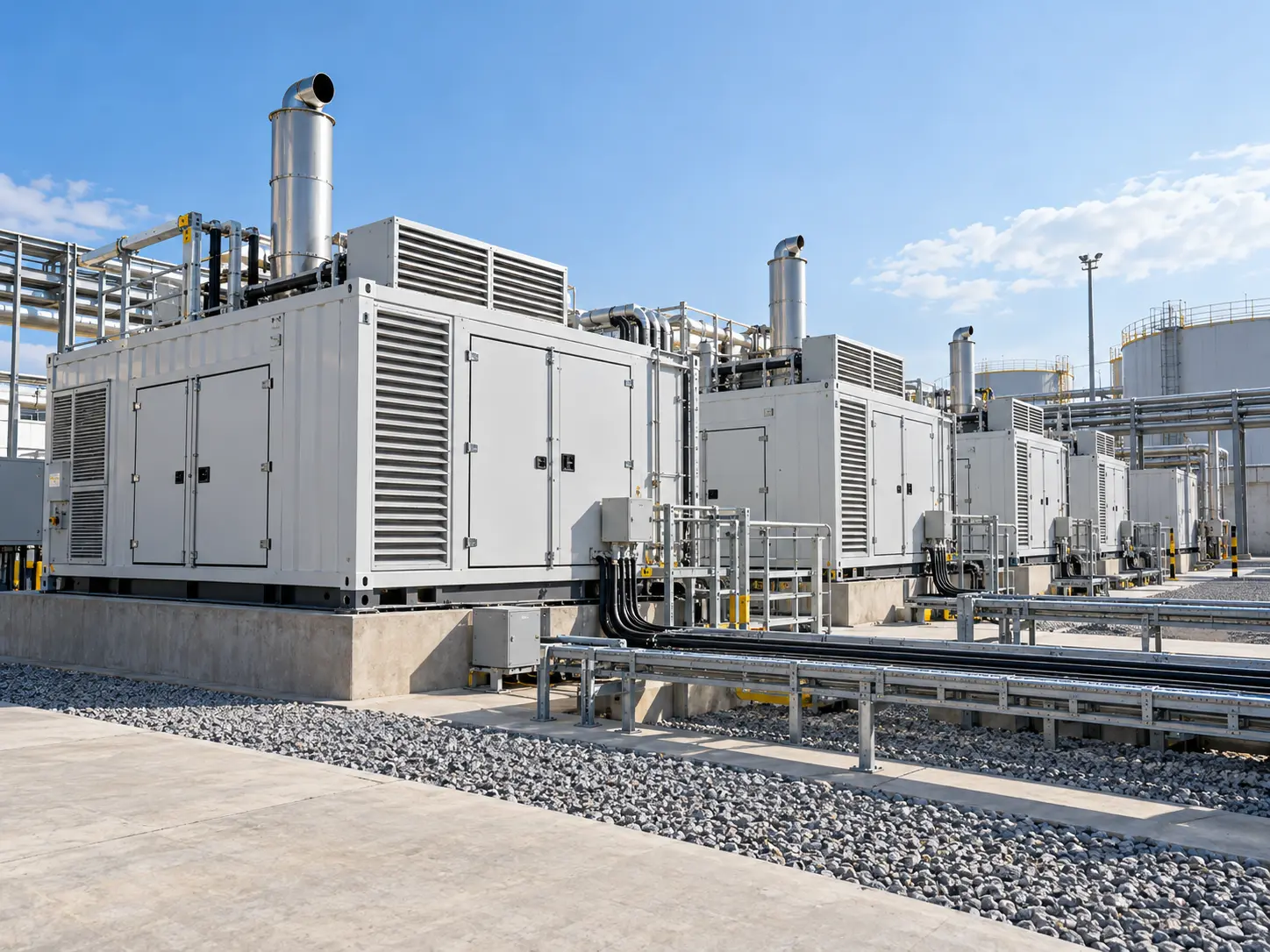
5. Why Containerized Natural Gas Generator Sets Are Gaining Attention
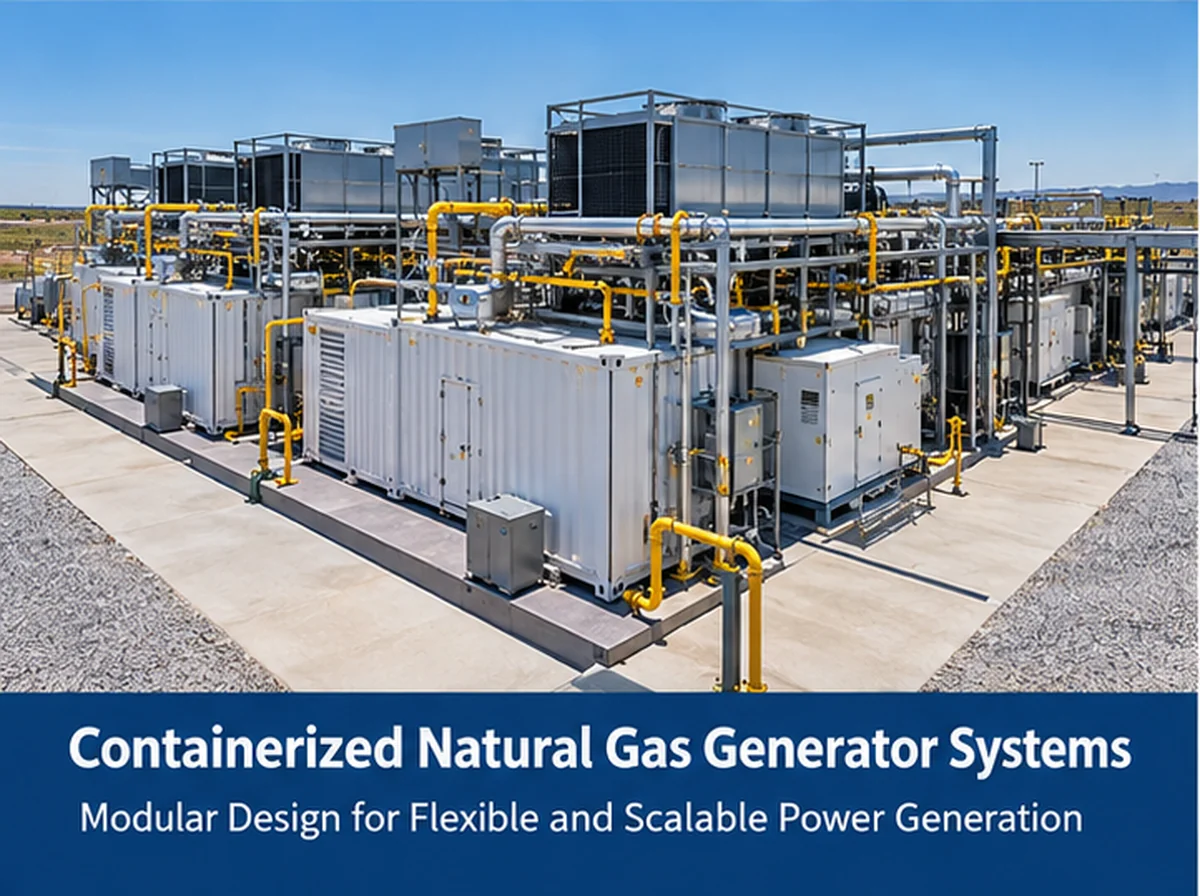
Containerized generator systems provide a practical approach to modular power generation.
A typical containerized natural gas generator installation may incorporate the engine-generator unit, electrical controls, ventilation, exhaust systems, safety equipment, and other auxiliary components.
The exact configuration depends on the project specification.
Key Advantages
Modular Design
Projects can be developed using multiple generator units rather than relying on a single large power source.
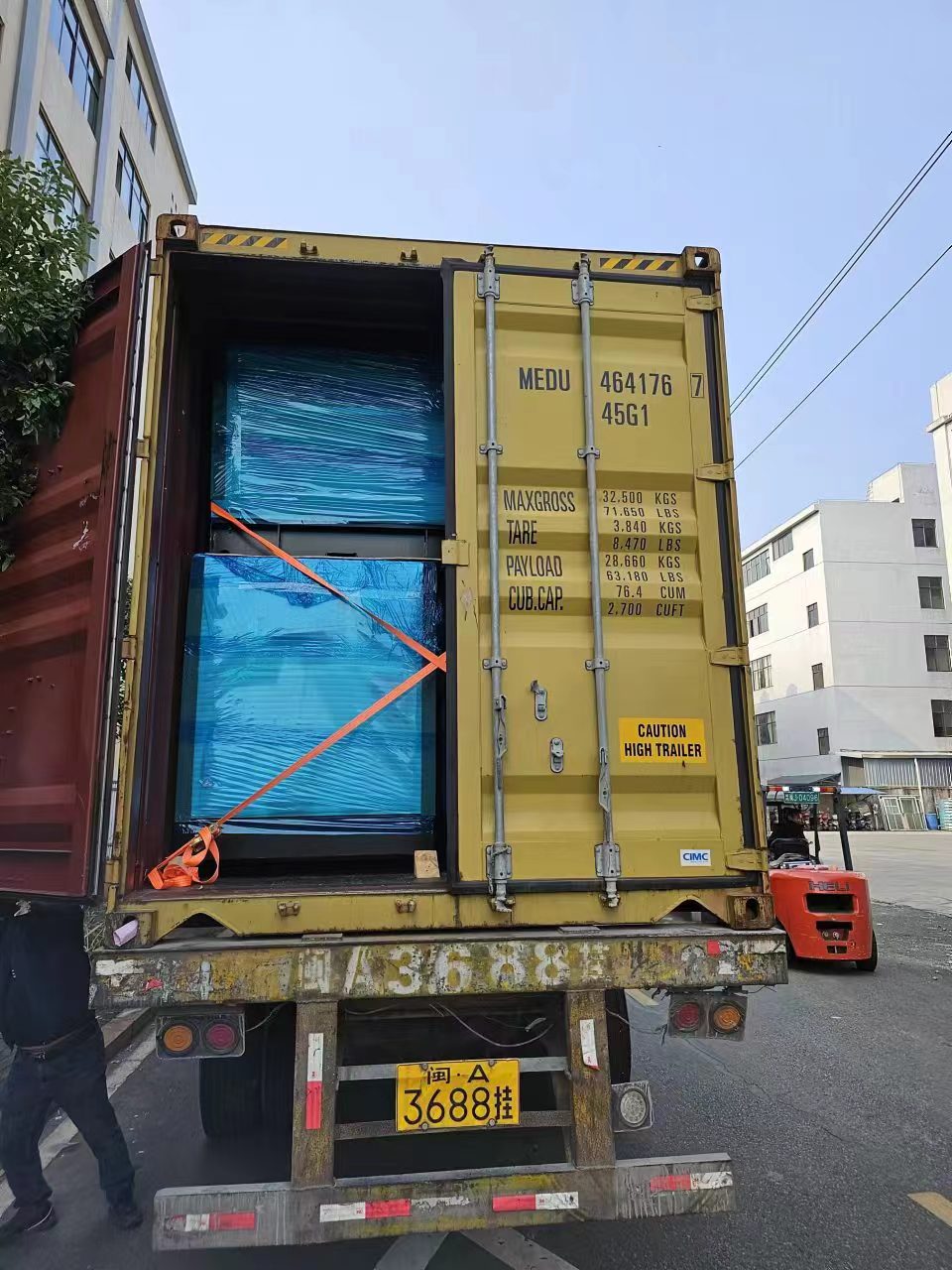
Simplified Transportation
Containerized equipment can be designed for transportation to remote industrial locations.
Faster Site Integration
Factory-integrated components may reduce certain on-site installation activities, although foundations, fuel systems, electrical connections, and commissioning are still required.
Scalable Power Capacity
Additional generator units can be integrated into a system when the electrical and mechanical infrastructure has been designed for future expansion.
Maintenance Flexibility
With appropriate redundancy and load-sharing arrangements, selected units may be taken out of service without necessarily shutting down the entire power facility.
These advantages make modular generator systems attractive for certain industrial, mining, and oil and gas applications.
6. Project Example: 3.6 MW Containerized Natural Gas Power Solution
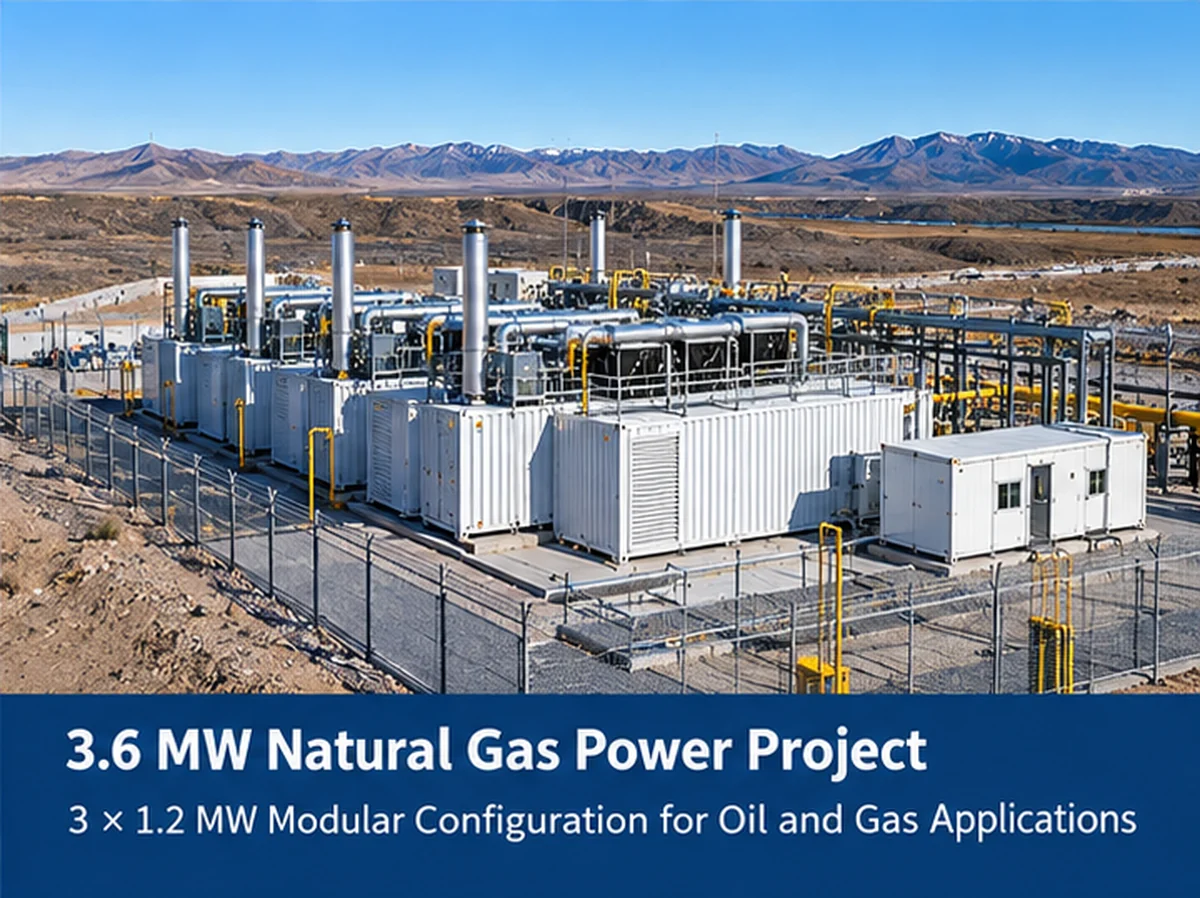
A FORYOU POWER oil and gas project configuration for Kazakhstan and Russia illustrates how multiple natural gas generators can be integrated into a modular power system.
The specified arrangement comprises:
| Project Parameter | Configuration |
|---|---|
| Application | Oil and gas industrial power |
| Total configured capacity | 3.6 MW |
| Main system configuration | 3 × 1.2 MW |
| Individual generating sets | 4 per 1.2 MW module |
| Installation | Containerized |
| Generator controllers | AJC150 |
| System concept | Modular multi-generator power generation |
Each 1.2 MW module incorporates four natural gas generator sets.
This configuration illustrates the flexibility of modular power engineering, where multiple generating units can be integrated to meet higher project capacity requirements.
Generator synchronization, load sharing, protection coordination, and operating redundancy must be engineered according to the specific site requirements.
For remote industrial developments, a modular approach can help project operators plan capacity expansion and maintenance more effectively.
7. Natural Gas vs. Diesel Generators: Which Is Better for Industrial Power?
Both technologies have important roles in modern power generation.
The best choice depends on the required operating hours, fuel infrastructure, site conditions, and total project economics.
| Evaluation Factor | Natural Gas Generators | Diesel Generators |
|---|---|---|
| Typical applications | Prime and continuous power where suitable | Backup, prime, and remote power |
| Fuel infrastructure | Pipeline or stored gas supply | Diesel storage and delivery |
| Fuel costs | Depends on local gas prices | Depends on diesel prices |
| Maintenance | Depends on engine and fuel quality | Depends on engine and operating duty |
| Emissions | Often lower particulate emissions | Diesel emissions controls may be required |
| Deployment | Requires suitable gas infrastructure | Often practical where fuel delivery is available |
| Large-scale systems | Multi-unit and modular configurations | Multi-unit and modular configurations |
Natural gas is not automatically cheaper or more environmentally friendly in every project.
Buyers must evaluate operating efficiency, methane leakage, fuel transport, local emissions rules, equipment costs, and maintenance.
For standby applications requiring rapid load acceptance, diesel generator sets may remain a strong option.
For long-running applications with a dependable gas supply, natural gas generators may provide attractive operational economics.
8. Five Critical Factors When Selecting a Natural Gas Generator
Before purchasing an industrial natural gas generator, buyers should review the following requirements.
1. Power Capacity and Operating Load
Identify the facility's actual electrical demand, peak load, load profile, and required reserve capacity.
2. Fuel Quality and Supply Conditions
Confirm the gas composition, heating value, supply pressure, and expected fuel availability.
3. Generator Configuration
Determine whether an individual generator or a synchronized multi-generator system is appropriate.
4. Installation Environment
Review ambient temperature, altitude, ventilation, site access, and local noise requirements.
5. Lifecycle Cost and Compliance
Compare purchase costs, fuel consumption, maintenance requirements, emissions obligations, and expected operating life.
For mission-critical projects, system-level reliability analysis and contingency planning are essential.
9. FORYOU POWER: Natural Gas Generator Solutions for Industrial Applications
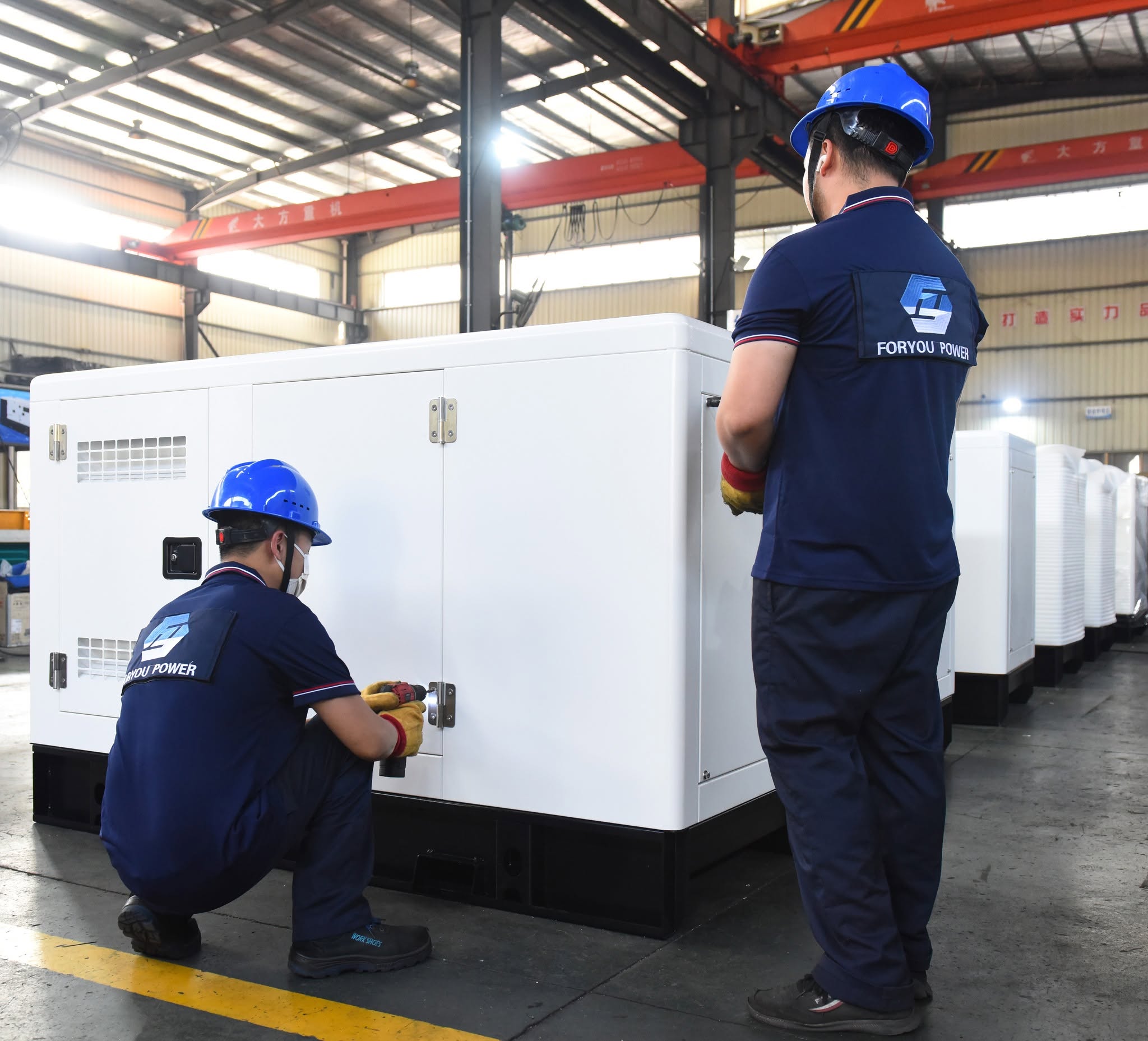
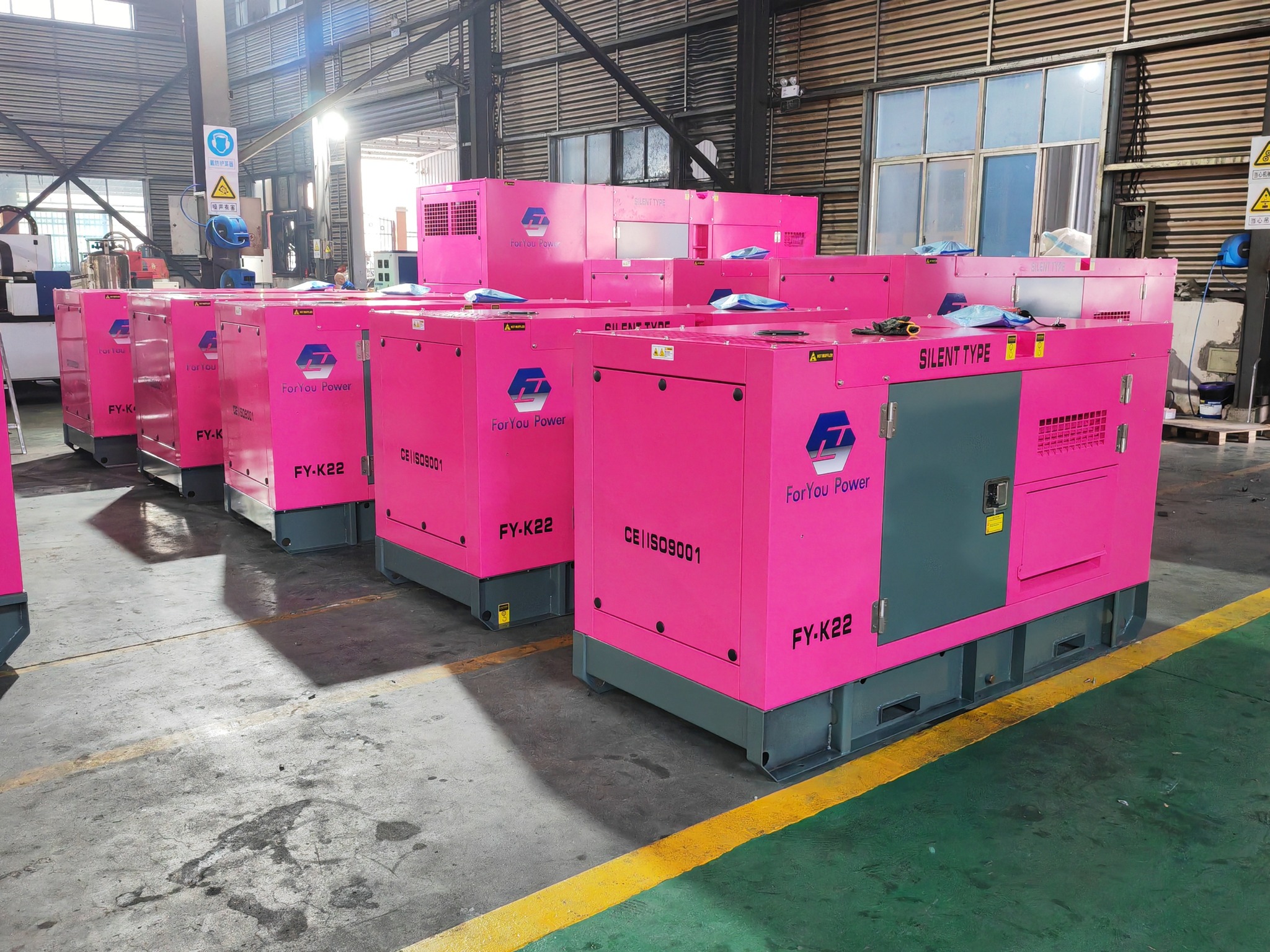
FORYOU POWER supplies natural gas generator sets and industrial power generation solutions for a range of commercial and industrial applications.
Our gas generator product portfolio includes configurations ranging from 30 kW to 2,000 kW, with project-specific engineering requirements evaluated separately.
Our solutions include:
-
Natural gas generator sets
-
Containerized generator configurations
-
Industrial prime power solutions
-
Multi-generator synchronization systems
-
Customized power generation systems
-
Diesel generator alternatives for selected applications
Our team works with customers to evaluate technical requirements and select suitable equipment configurations.
Explore our product solutions:
Industrial Power Plant Solutions
Oil and Gas Power Applications
10. Frequently Asked Questions
Can natural gas generators operate continuously?
Some natural gas generator models are designed for continuous or prime power duty. The actual operating capability depends on the manufacturer's rating, maintenance requirements, environmental conditions, and fuel supply.
Are natural gas generators suitable for data centers?
They can be suitable for certain data center power applications. However, power quality, load acceptance, emissions permits, redundancy, fuel security, and integration with UPS or energy storage systems require careful engineering.
Can multiple gas generator sets operate together?
Yes. Properly equipped generator sets can operate in parallel using synchronization, load-sharing, and electrical protection systems.
Are containerized generators suitable for remote oil and gas projects?
Containerized systems can be engineered for remote locations, subject to site conditions, temperature requirements, available fuel, and transportation constraints.
Conclusion: Independent Power Generation Is Becoming a Strategic Investment
The latest developments in 2026 show that natural gas power generation is attracting investment across data centers, industrial infrastructure, and electricity supply projects.
Enerflex's gigawatt-scale data center orders and Wärtsilä's Brazilian power plant developments demonstrate increasing interest in flexible, engineered gas power systems.
For industrial buyers, the most important decision is not simply choosing between diesel and natural gas.
It is developing a power system that provides dependable performance, suitable operating costs, and flexibility for future requirements.
Looking for a reliable natural gas generator supplier?
FORYOU POWER can help evaluate your power generation requirements and discuss suitable generator configurations.
Contact us with your required capacity, operating application, voltage, frequency, fuel details, and project location.
FORYOU POWER
Website: https://foryougen.com
Generator Set Market 2026: 6 Major Industry Events Driving Global Power Demand